Graveyard Keeper 2 Town Restoration: Districts, Buildings, and Profits
Reclaim the Graveyard Keeper 2 Town district by district, then choose which homes and businesses to restore — every building opens new markets for your goods.
FAQ
Can you enter the Town in Graveyard Keeper 2?
Do your building choices in the Town matter?
Does a bigger Town give you more corpses?
Is the Teleportstone in Graveyard Keeper 2?
When can you fight Town battles in Graveyard Keeper 2?
For eight years, Graveyard Keeper fans stared at a locked gate and wondered if the Town was even real. In the sequel it is — overrun, half-abandoned, and yours to fix. Per the official June 2026 developer diary (“The Town That Probably Exists”), restoration is the structural heart of Graveyard Keeper 2: part reclamation campaign, part city builder, and entirely a business opportunity. Here is how the whole loop works, as confirmed so far.
Can you finally enter the Town?
Yes — that is the whole point. The first game teased the Town with rumors, a heavily guarded gate, and a Town Pass you never quite got to use. The June 2026 diary confirms that in Graveyard Keeper 2 you not only see the Town, you restore it. The city has layers of history: it was founded during the era of the Old Mighty God, and glimpses of that ancient grandeur still hide beneath a later medieval settlement built on top of it. By the time you arrive, most of it has been overrun by townsfolk who turned into undead zombies.
How do you reclaim districts?
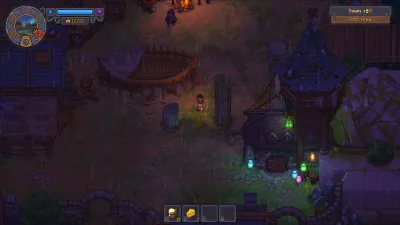
District by district, fighting back the undead — and commanding your own zombie army to do it. But the diary adds a twist worth quoting: zombies turn out not to be the Town’s biggest problem. With proper defenses, people can live alongside them just fine — zombies “may even become a local tourist attraction.” The real problems are hopelessness and a lack of consumer goods. Reclamation is the easy part; making the Town worth living in is the game. Official screenshots already reveal one district in detail: a port area, complete with a shipyard and a boat under construction.
The September 2026 combat devlog (“Let’s talk Combat”) details how the battles themselves play out. Town battles don’t take place in special arenas — they happen right on the streets, and each part of the city has become a distinct battle arena with its own design and win conditions: the battle for the Town Square has you holding off waves attacking from every direction, while the central streets have you pushing forward on multiple fronts and capturing control points. Streets you liberate fill back up with townsfolk and market stalls — which is exactly what makes the restoration half of the loop possible. Plan your week around it, too: city battles are only available on a certain day of the week. On the other days the sewers beneath the Town are open for combat instead (“open 6/6,” per the devlog) — and the streets whisper that somewhere deep down there lies… the Sewrena.
What happens after you restore a district?
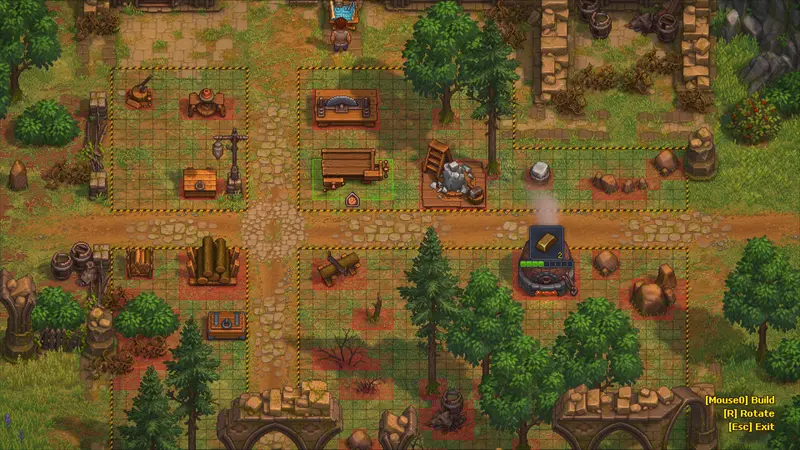
You bring it back to life, one business at a time. Per the diary, you restore comfortable housing, reopen cafés and shops, and rebuild local infrastructure, choosing from several available buildings and businesses at any time — and those choices matter:
- Every restored building improves the Town itself.
- Buildings create new markets for your goods.
- They also unlock valuable products and resources for you to buy.
The developers frame it with typical deadpan: if a middle-aged man can provide for a family, why not provide for an entire city?
How does the Town feed your graveyard?
This is where the loop closes. Keeping the Town running is corpse-positive economics: making the townsfolk’s lives easier and more comfortable secures “a steady flow of sinners” — the official zombie devlog’s mechanism — so growing the Town is effectively upgrading your corpse supply chain. Since corpse quality drives everything from zombie corruption to crafting materials, whether quality also scales with prosperity is one of the details being verified in-game.
What is new at the graveyard itself?
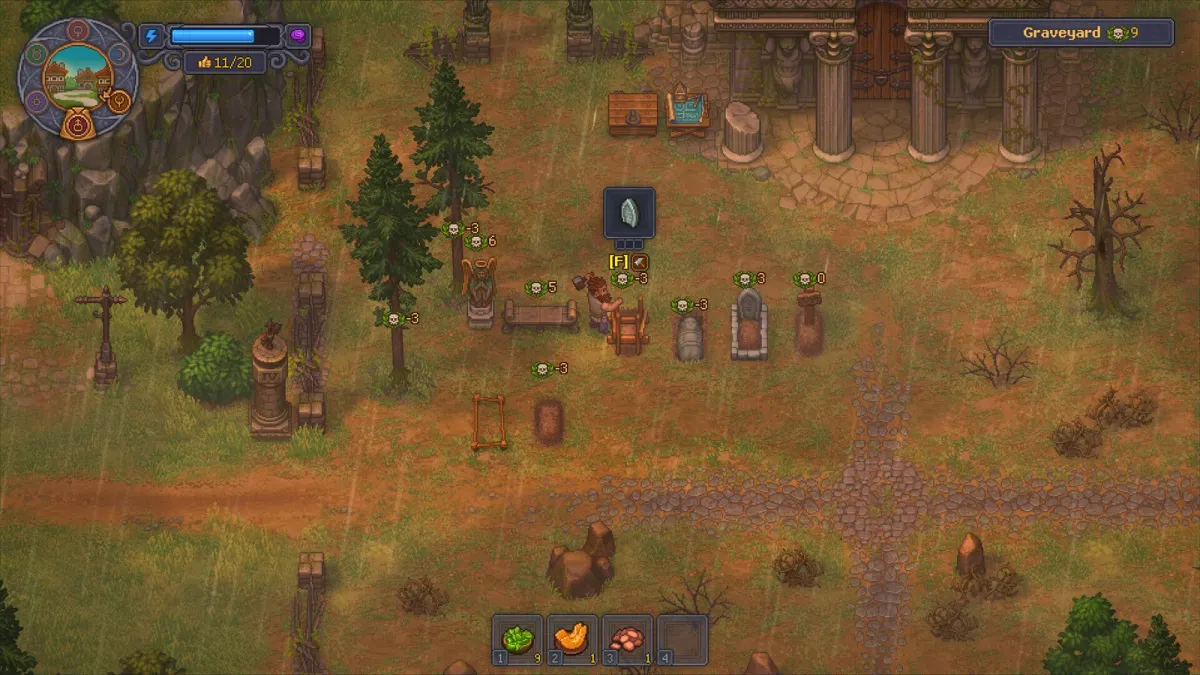
The graveyard moves to a peaceful, beautiful area outside the city walls, near the Keeper’s base — the developers aren’t monsters, they won’t make you live inside the Town. Management gains a new layer: through the Tech Tree you unlock special graveyard modules that provide space for different objects — tombs, benches, columbaries, monuments, and of course graves — alongside many new grave designs and decorations. Burying townsfolk remains a core duty throughout.
How do you get around the Town?
On foot, mostly — the Teleportstone is officially gone (“plenty of players couldn’t find it or figure out how to use it anyway”). Instead, Milestones let you fast-travel between unlocked locations. One scheduling note from the September 2026 diary: quest characters no longer commute in from the Town once a week — they stay at their regular locations, but certain mechanics tied to them are only available on designated days, so plan your week. The developers also note the Town keeps existing and evolving on its own even after the story ends.
New to the sequel? See every confirmed change versus Graveyard Keeper 1, then see the release-date record and pricing.
Gallery
Related Articles
guides
Graveyard Keeper 2 Iron Guide: Unlocking the Mine and Zombie Miners
How to get iron in Graveyard Keeper 2: surface nodes, opening the Forest mine, and the Zombie Miner tech that makes iron infinite.
guides
Graveyard Keeper 2 Map and Fast Travel: The World, Explained
Graveyard Keeper 2 has a proper in-game map at last, Milestone fast travel between unlocked locations, and a world stretching well past the Town.
guides
Graveyard Keeper 2 Money Guide: How the Early Economy Works
How to make money in Graveyard Keeper 2: town orders, merchant orders, market stalls, and the production grinds — every confirmed income stream.
Was this helpful?
Thanks for the feedback!