Graveyard Keeper 2 Art Style and Graphics: From 2D Pixels to Full 3D
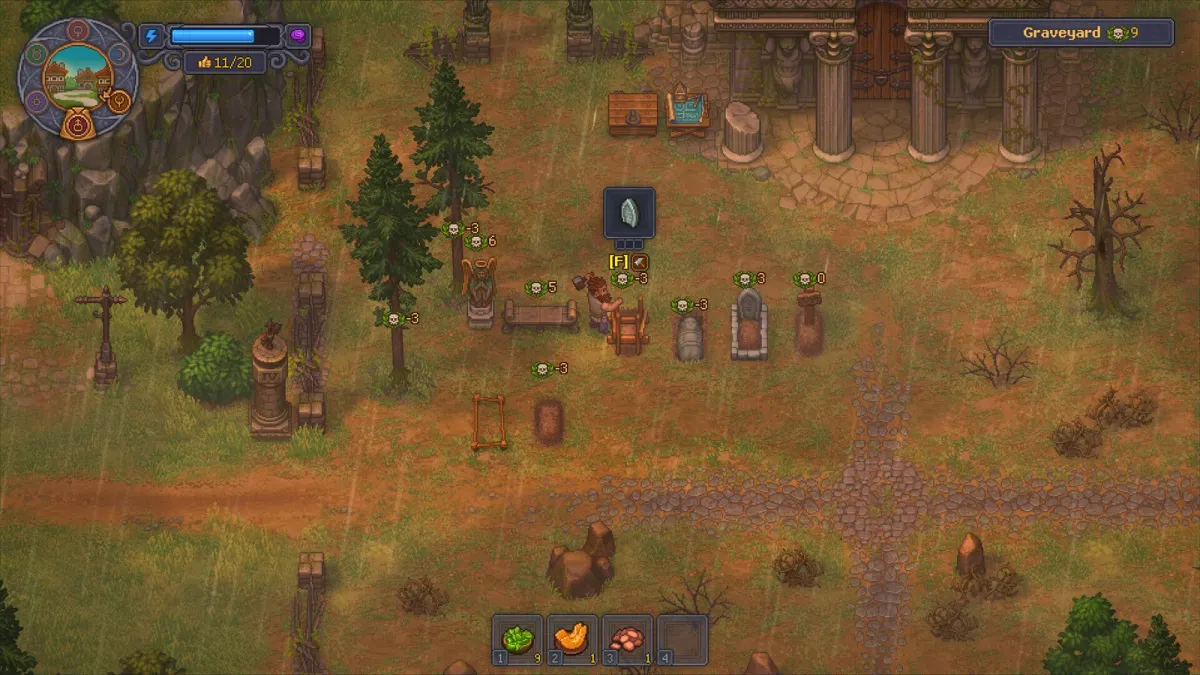
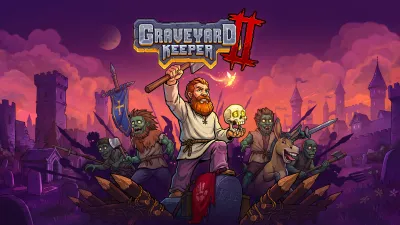
Graveyard Keeper 2 rebuilds its art in full 3D while keeping the first game's spirit: an orbiting sun, dynamic night shadows, wind-swept forests, and deep fog.
FAQ
Is Graveyard Keeper 2 pixel art like the first game?
Does Graveyard Keeper 2 have a day and night cycle?
Is there weather in Graveyard Keeper 2?
Why did the developers switch from 2D to 3D?
Can you rotate the camera in Graveyard Keeper 2?
Will the 3D switch make the game harder to run?
The July 2026 developer diary — pointedly titled “Dissecting the Art and Visuals” — put the sequel’s look on the operating table. Its verdict: keep the spirit and art style of the original game, but rebuild the technology underneath from scratch. Here is every confirmed change, from the death of 2D to the construction kit behind the Town.
Is Graveyard Keeper 2 still 2D pixel art?
No — and it is the single biggest technical change of the sequel. The original Graveyard Keeper was a stylized pixel-art game that leaned on technical tricks like dynamic shadows and volumetric lighting to feel tactile. But as the diary admits, during development the team’s tech tree was “constrained by the limitations of 2D graphics.”
So they stopped holding back: everything in the sequel is built in 3D, in a world the artists could fully experiment with. The diary calls it “quite the challenge” — an honest admission of how much work full 3D takes when the goal is a hand-crafted feel. If you are weighing the full list of changes against the 2018 game, the first game vs sequel breakdown covers the systems side.
How do the sun and the lighting work?
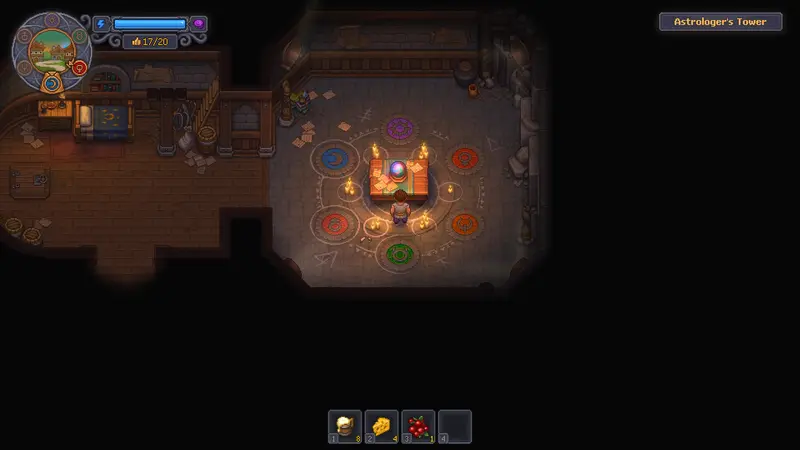
In the finest medieval tradition. “The sun now genuinely orbits the Earth, exactly as the finest minds of the Middle Ages imagined,” the diary jokes — meaning the sun’s position drives real, moving shadows: “you can set your watch by the shadows of the spruce trees.”
Night got the same upgrade. Where the first game’s darkness was mostly a tint, the sequel renders proper, dynamic shadows after sunset — which matters practically, because graveyard work does not stop at dusk. In the developers’ words, grinding at the graveyard after sunset has become “at the very least, prettier,” followed by a checkmate to anyone who enjoys a healthy sleep schedule.
What changed in nature and weather?
The diary frames the natural world as escapism — “an escape from boring modern life” — so the wild locations got disproportionate attention, whether you are picking berries or robbing beehives. Three upgrades stand out:
- A custom water shader for deep mountain ponds, flexible enough for scene work. The developers beg you not to throw corpses in there — “one zombie invasion in the city is already enough for everyone.”
- Wind that moves the whole forest. Small, “unnoticeable at first glance” animations: trees and grass react to the wind as the weather changes.
- Deep, atmospheric fog that only genuine 3D volume can afford, thickening the depth of the fantasy world.
How was the Town designed and built?
As “a Town with a capital T.” The diary is blunt about the ambition: not a big village of separate houses, but a dense, varied, large-scale location that feels alive — or rather “very dead,” since zombies populate it.
The production trick behind it: the team built an entire separate construction kit in which every detail could be swapped and customized. That let them assemble the location’s skeleton quickly and spend the saved time on the Town’s unique elements. By the end, the developers suspect their specialist’s brain was “fully corrupted” by the task — occupational hazard. What that dense build means for gameplay is covered in town restoration.
What does antiquity have to do with the art?
A design note at the end of the diary explains the deep history baked into the scenery. The Middle Ages were “inseparably tied to antiquity — really more of a continuation of it”: laws, cities, knowledge, and cultural heritage survived across the centuries. The game’s fictional world follows the same pattern in its environmental design, because the world lived long before the Keeper ever showed up. Expect layered history in the scenery, not empty backdrop.
Does full 3D mean heavier system requirements?
No. The official specs remain remarkably light — the recommended tier is a 2013-vintage GPU and the game asks for just 2 GB of storage. Stylized 3D with a fixed camera is not ray-traced megatexture territory; the system requirements page has the full tables. New to the series overall? Start with what Graveyard Keeper 2 actually is — the art is the wrapping, the corpse economy is the gift.
Gallery
Related Articles
guides
Graveyard Keeper 2 Achievements Guide: All 38 Listed and Ranked by Rarity
All 38 Graveyard Keeper 2 achievements with unlock conditions and global completion rates, plus what the rarity curve says about where players stall.
guides
Graveyard Keeper 2 AI Art Claims: The Official Answer
Is Graveyard Keeper 2 AI-generated? The developers say no outright. Here is the official statement, the launch-week debate, and what is actually verifiable.
guides
Graveyard Keeper 2 Beginner Guide: First-Week Tips and Mistakes to Avoid
New to Graveyard Keeper 2? This starter guide covers the corpse loop, the weekly calendar, tech-tree priorities, and the classic mistakes to avoid in week one.
Was this helpful?
Thanks for the feedback!