Graveyard Keeper 2 Combat Guide: Town Battles, Sewers, Barricades, and Squads
How fighting works in Graveyard Keeper 2: weekly street battles to liberate the Town, sewers open the rest of the week, plus barricades, towers, and zombie squads.
FAQ
When can you fight town battles in Graveyard Keeper 2?
What are the sewers for?
Is combat new compared to the first Graveyard Keeper?
How many zombies will you end up fighting?
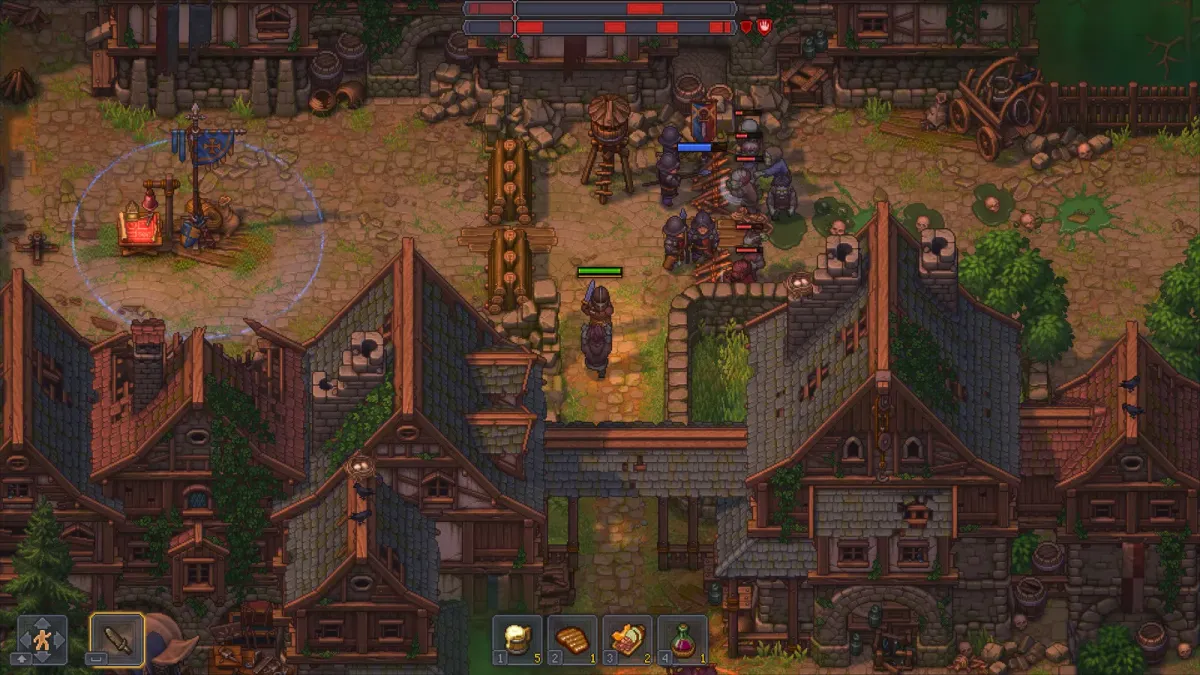
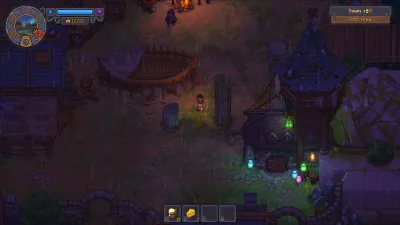
The first Graveyard Keeper let you dodge most fights. The sequel does not: the Town — the structural heart of the game — is overrun by thousands of zombies, and the only way it becomes yours is battle by battle, street by street. Per the official September 2026 devlog (“Let’s talk Combat”), the developers built the system so that battles are part of the story: you get your house, church, and graveyard just for being a decent person, but the Town has to be liberated the heroic way. This guide covers the confirmed system — the weekly battle calendar, the arena types, the prep economy, and how zombie squads actually work.
When can you fight?
The calendar gates combat. City battles happen only on a designated day of the week — liberating the Town is a weekly appointment, not a menu option. Plan around it: production, corpse work, and town orders fill the days before, and the battle consumes the day itself.
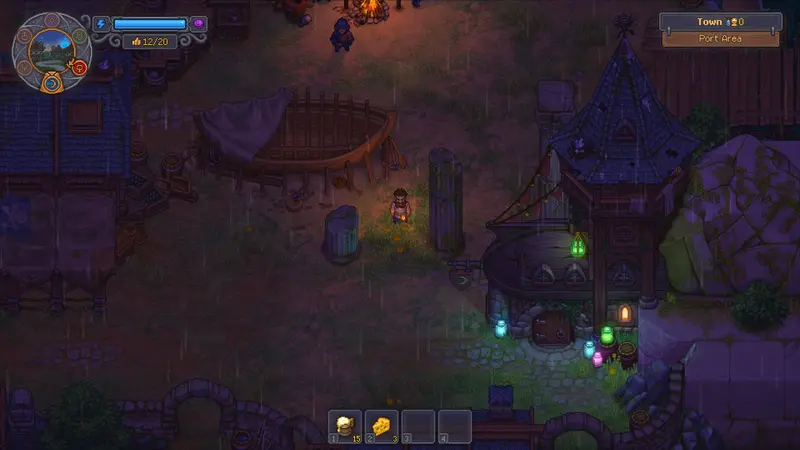
If you fancy swinging a sword on the other days, the sewers beneath the Town are open 6/6 — every non-battle day of the week, always full of zombies who, in the developers’ words, “will gladly meet you halfway.” And the streets whisper that somewhere deep down lies the Sewrena. Whatever the Sewrena is, the devlog refuses to say.
Where do town battles happen?
Not in arenas — on the streets themselves. Because the fighting happens where people live, every part of the city has become a distinct battle arena with its own design and win conditions. Two examples the devlog names:
- The Town Square — hold off waves of enemies attacking from every direction.
- The central streets — push forward on multiple fronts and capture control points.
The payoff loop is built into the map: streets you liberate fill back up with townsfolk and market stalls, which is exactly what makes the restoration half of the game possible. Every captured street is future market space for your goods.
How do you prepare for a battle?
The same way you do everything else in this game: production. The developers’ framing — “Guess who in the world of Graveyard Keeper produces quality materials and knows how to raise the dead?” — is the whole system:
- Your crafted materials become barricades and towers, which hold back hordes of enemies at the approaches to your base.
- Your zombies become comrades-in-arms — the same workforce that runs your factories picks up weapons and fights.
The war effort and the production chain are one economy. Materials you stockpile between battle days are the difference between a defensive line and a route.
How do zombie squads work?
Squads are positional, not scripted. You can station your zombie fighters wherever you like, or raise their banner and lead them into battle yourself. Each zombie has its own skill progression — and specialization matters, so an army is a roster, not a mob. (The zombie devlog even hints a zombie may earn a name after ten years of loyal service.)
Once the system clicks, the devlog encourages finding your own style:
- Squads made up entirely of archers, raining from a held position.
- Spiked barricades that do the killing for you while you hold the line elsewhere.
- Combat potions stockpiled for wave-holding, Rambo-style.
And a control detail that says a lot about the pacing: with mouse and keyboard, combat is playable one-handed — the developers suggest using the other hand for your drink. This is a thinking keeper’s war, not an action game’s brawl.
How big is the war, really?
Officially: a little over 4,000 zombies laid to rest over the course of a full game. Progress is tracked in territory — clearing the South part of the Town is its own achievement (33% of players, thirty-one days after launch), and the final restoration achievements — every house rebuilt, every market stall standing — sit at 13% and 20%. The full campaign arc, from First Blood (72% of players) to a completely restored Town, is mapped in numbers in the achievements guide.
One honest note for launch-week buyers: expect the feel of individual fights to keep tuning in early patches — Update 1.005 (September 24) already smoothed a stair-floating bug and rebalanced Kiln and Furnace costs. The system-level rules above — calendar, arenas, prep, squads — are the officially documented shape and are not in question.
Related Articles
guides
Graveyard Keeper 2 Iron Guide: Unlocking the Mine and Zombie Miners
How to get iron in Graveyard Keeper 2: surface nodes, opening the Forest mine, and the Zombie Miner tech that makes iron infinite.
guides
Graveyard Keeper 2 Map and Fast Travel: The World, Explained
Graveyard Keeper 2 has a proper in-game map at last, Milestone fast travel between unlocked locations, and a world stretching well past the Town.
guides
Graveyard Keeper 2 Money Guide: How the Early Economy Works
How to make money in Graveyard Keeper 2: town orders, merchant orders, market stalls, and the production grinds — every confirmed income stream.
Was this helpful?
Thanks for the feedback!