Graveyard Keeper 2 vs the First Game: Every Confirmed Change
Graveyard Keeper 2 is set 8 years after the first game: you are the Grand Inquisitor, with zombie automation, town restoration, and tower defense.
FAQ
Do I need to play Graveyard Keeper 1 before the sequel?
Is Graveyard Keeper 2 bigger than the first game?
Is Graveyard Keeper 1 still worth playing in 2026?
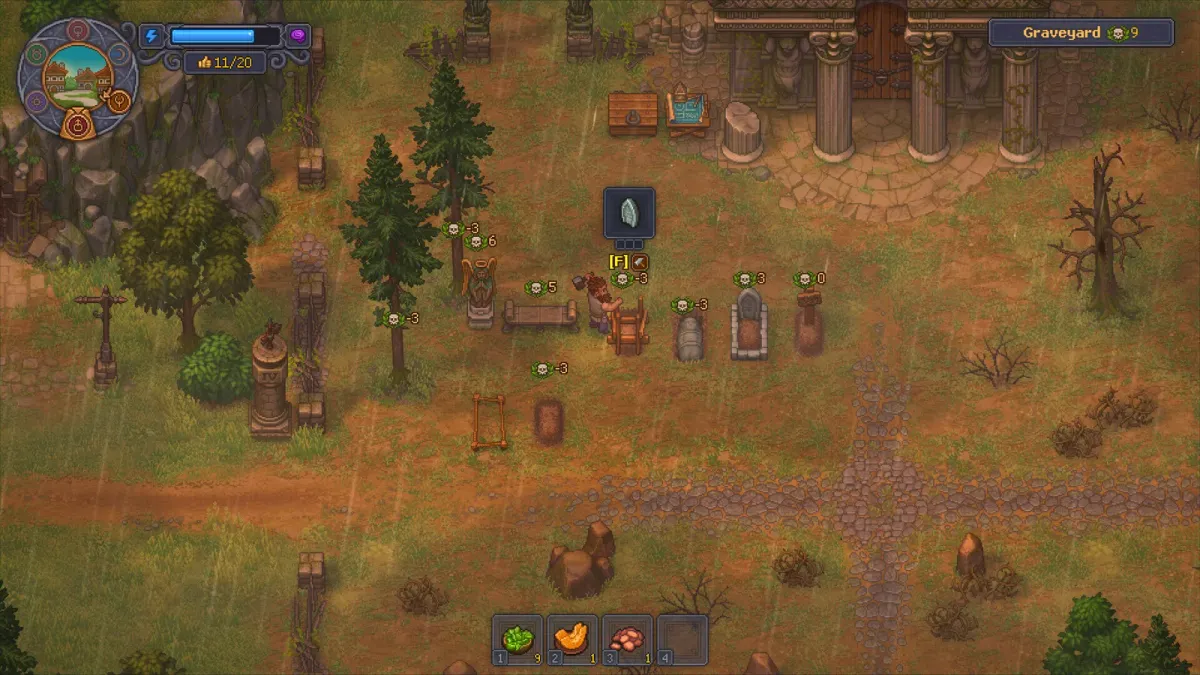
The first Graveyard Keeper (2018) made you a small-town keeper juggling corpses, farming, and an increasingly absurd moral ledger. The sequel keeps that DNA but scales everything up — the world, the systems, and your job title. Per the official store pages and the September 2026 developer diary (“old world, new story”), here is every confirmed difference, and what deliberately stays the same.
The story jumps eight years forward
You are no longer just the keeper. Graveyard Keeper 2 casts you as the Grand Inquisitor, tasked with saving the Kingdom from a zombie apocalypse — “restoring The Town” while turning the zombie problem into a business. The developer diary confirms the story picks up eight years after the first game, in an expanded world.
Change 1: Production automation is now the core system
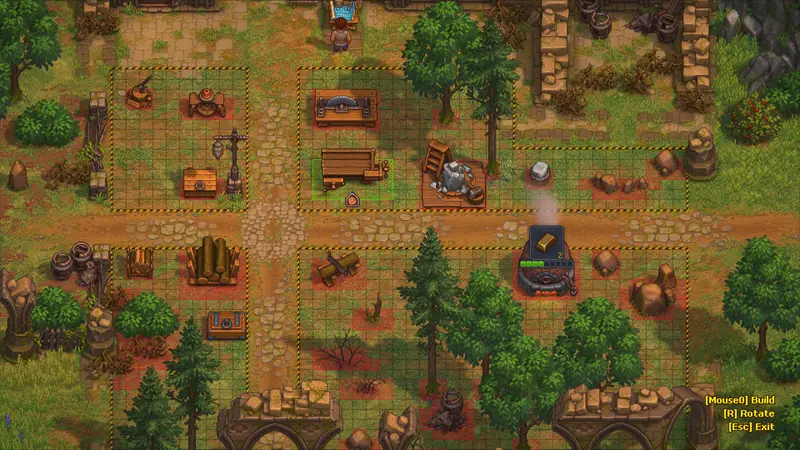
The first game let zombies run individual workstations — useful, but shallow. The sequel builds entire production chains around zombie labor: undead workers drive the heavy lifting underground while you plan “a scalable and profitable operation.” Official feature copy pitches transformation of “local efforts” into structured, automated output — the exact min-max economy loop the first game’s late-game players begged for.
Change 2: The Town itself is a restoration project
GK1’s village was a backdrop of vendors and quest-givers. In GK2 the Town has been overrun, and you reclaim it district by district — restoring homes and shops, and completing city quests that convert residents’ misfortunes into revenue. It is the biggest structural change to the game loop, and it feeds directly into the economy.
Change 3: Tower-defense combat with your own undead army
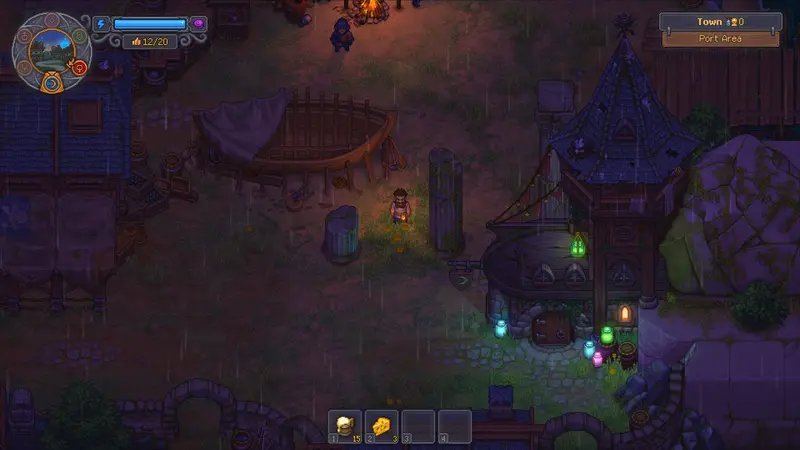
The first game’s combat was solo dungeon-slashing. The sequel adds a strategic defense layer: build towers and fortifications, craft armor and weapons, and train “not-so-smart troops” to surround and defend the Town. You are not just fighting the zombie apocalypse — you are leading a zombie army of your own. The September 2026 combat devlog (“Let’s talk Combat”) makes the picture concrete: battles play out on the Town’s own streets, each district a distinct arena with its own win conditions — holding the Town Square against waves from every direction, or capturing control points on the central streets. City battles unlock only on a designated day of the week, your barricades and towers are built from materials you produce, and you can raise a squad’s banner to lead it into battle yourself. Across the campaign you will put down a little over 4,000 zombies. The zombie system breakdown has the full detail.
Change 4: Modern quality-of-life systems
Confirmed additions the first game never had (or added late and clunkily):
- Talent system — per the developer diary, a character-progression layer beyond GK1’s flat tech trees
- Milestone fast travel — unlocking movement shortcuts as you progress, rather than paying teleport portals like GK1’s late additions
- An in-game map — added after player feedback during the pre-launch campaign, per the developer’s community post; the first game famously shipped without one
What stays the same
The tone, first: “unhinged humor, grotesque characters and a twisted story” is official feature copy. The corpse-to-crafting pipeline — autopsies, organs, and materials flowing into products — remains the economic heart. And it is still a single-player experience on every platform; see multiplayer details.
Is the sequel’s reception tracking well?
By every pre-launch metric, yes: 500,000+ Steam wishlists within nine days (placing it among Steam’s 100 most-wishlisted), 23,000+ Steam pre-orders in the first 24 hours, and a limited-time free giveaway of the first game that drove a quarter-million dollars of DLC sales in a weekend. The franchise has sold over 4 million copies.
New to all of this? Start with what Graveyard Keeper 2 is, check the launch date and system requirements — and the price and pre-order bonus page covers what the pre-order pack included and how the bonuses behave after launch.
Related videos

Gallery
Related Articles
guides
Graveyard Keeper 2 Achievements Guide: All 38 Listed and Ranked by Rarity
All 38 Graveyard Keeper 2 achievements with unlock conditions and global completion rates, plus what the rarity curve says about where players stall.
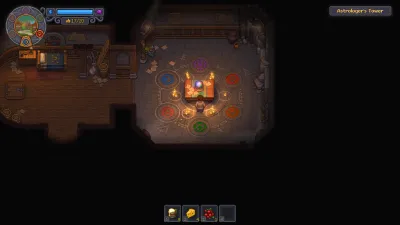
guides
Graveyard Keeper 2 AI Art Claims: The Official Answer
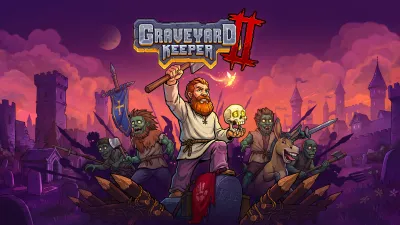
Is Graveyard Keeper 2 AI-generated? The developers say no outright. Here is the official statement, the launch-week debate, and what is actually verifiable.
guides
Graveyard Keeper 2 Beginner Guide: First-Week Tips and Mistakes to Avoid
New to Graveyard Keeper 2? This starter guide covers the corpse loop, the weekly calendar, tech-tree priorities, and the classic mistakes to avoid in week one.
Was this helpful?
Thanks for the feedback!