Graveyard Keeper 2 Bodies and Morgue Guide: Corpse Quality Explained
Corpse handling in Graveyard Keeper 2: how bodies arrive from the Town, morgue preparation, red-skull corruption, and choosing between burial, zombies, and parts.
FAQ
Should I bury corpses or turn them into zombies?
Do corpses rot or decay over time?
What is cemetery quality?
Where is the graveyard this time?
Why did corpses stop arriving at the morgue?
Everything in this game starts on a slab. Corpses are Graveyard Keeper 2’s raw material, its labor supply, and its moral hazard all at once — and the morgue is where every one of those decisions gets made. This guide covers the confirmed pipeline: where bodies come from, what happens at the morgue, how the sequel’s inverted skull logic works, and the bury-versus-zombify-versus-harvest decision.
Where do corpses come from?
The Town sends them. The official zombie devlog is explicit about the mechanism: “By making the townsfolk’s lives easier and more comfortable, you can secure a steady flow of sinners.” Prosperity is corpse-positive economics — a comfortable, well-fed town is also a sinful one, and sinners are exactly what your zombie workforce wants.
That makes corpse supply a downstream effect of town restoration: every district you liberate and every business you reopen eventually shows up on your morgue slab. If bodies feel scarce early in the game, the fix is the same as everything else — grow the Town.
What happens in the morgue?
The morgue is your prep bench, and the official zombie devlog confirms three operations:
- Selection by corruption. The most corrupted zombies come from sinners — corpses full of red skulls develop the best skills. You actively want the worst people.
- Part combination. If a corpse is not corrupted enough in life, take the most corrupted parts from different corpses and stitch them together into a better whole.
- Corruption embalming. The finishing layer — “the cherry on top” — pushes a zombie’s potential beyond what life achieved.
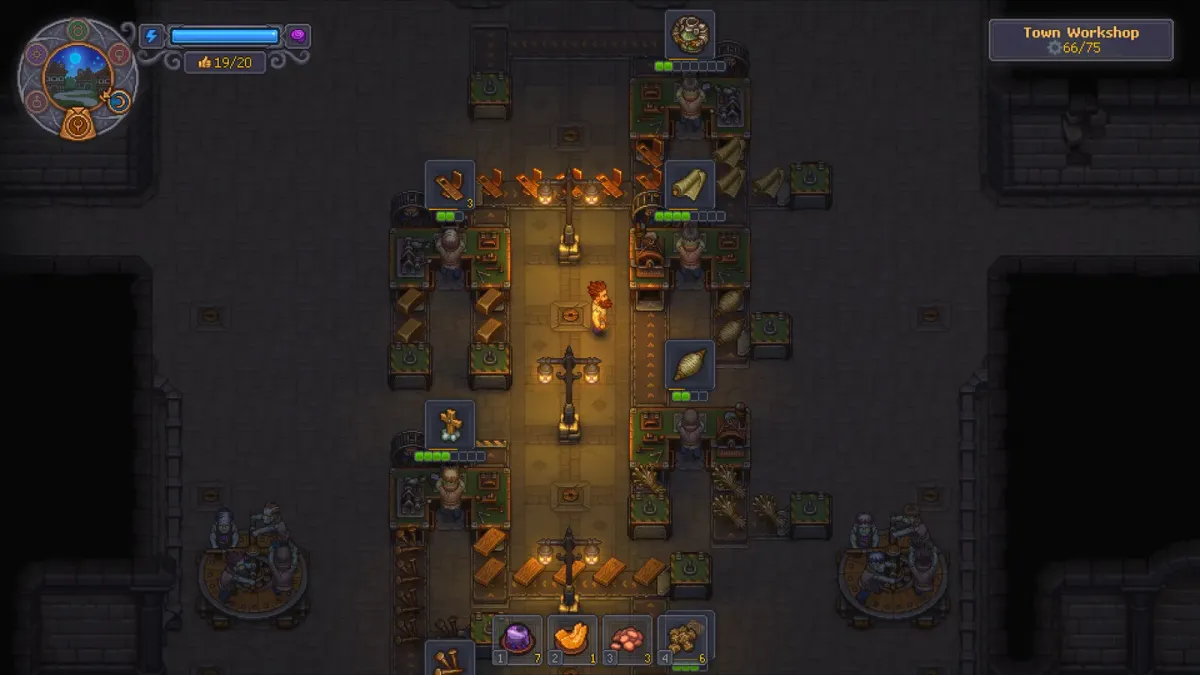
The first game’s morgue grammar — body rating, organ removal, injections — clearly informs this, but the sequel’s documented emphasis is different: where Graveyard Keeper 1 rewarded cleanliness, the sequel’s confirmed loop rewards engineering the corruption. Treat the morgue less as a funeral home and more as a workshop that happens to smell terrible.
How does corpse quality work now?
The skull system returns with its polarity reversed:
- Graveyard Keeper 1: maximize white skulls for clean, high-rated burials; red skulls were damage to minimize.
- Graveyard Keeper 2: red skulls are the valuable property — corruption drives zombie skill progression, and you cultivate it (comfortable townsfolk → sinners → corrupted corpses).
Burial quality still matters on the other side of the ledger: cemetery quality is a tracked metric with a named achievement at 200, and the Town diary is explicit that your duty “will still include burying townsfolk who reach the end of their journey.” The system now genuinely splits your corpses into two economies — clean dead for the graveyard, corrupted dead for the factory line.
Bury, zombify, or harvest?
The three-way decision, as confirmed so far:
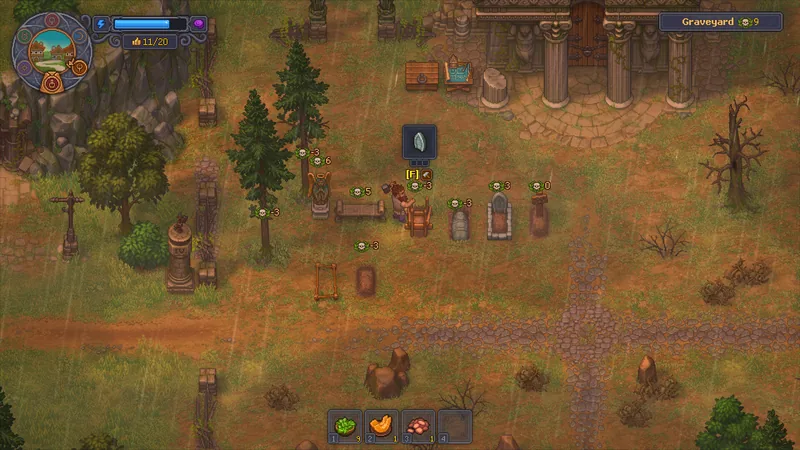
- Bury the ordinary dead. Grows cemetery quality (target: 200 for the Home Sweet Tomb achievement) and works toward the 50-burial True Graveyard Keeper achievement. The graveyard sits outside the city walls near your base — a peaceful spot of its own, per the official Town diary — and tech-tree graveyard modules — tombs, benches, columbaries, monuments — are how you decorate it past the threshold.
- Resurrect the corrupted dead. Red-skull corpses become your skilled workers and soldiers; part-combining and corruption embalming at the morgue upgrade the result. The 50-resurrection Necromancer achievement frames the long-term scale.
- Harvest for materials. The announce pitch says you “bury the dead and turn them into pure profit,” and corpse parts are handled like any other resource — the crafting economy treats the dead as a supply chain.
There is no confirmed wrong answer, only mismatches: burying a high-corruption corpse wastes your best future worker, and resurrecting a clean one wastes morgue effort. Check the skulls first — the beginner guide puts this in the week-one routine.
What carries over from the first game?
For returning keepers, the confirmed-carryover list: the morgue workflow and embalming, the skull rating system (inverted), burial as a core duty, and the graveyard-decoration-to-quality loop. The confirmed changes: corruption is now desirable, parts are combinable, and corpse supply scales with Town prosperity.
What is not yet verified here: decay timers and preservation mechanics, the organ-by-organ effects table, and any blood/fat/bone-style processing chains from the first game. Those are being checked in-game and will land on this page with dated notes — the same discipline the demo guide uses for its in-game numbers.
Related Articles
guides
Graveyard Keeper 2 Iron Guide: Unlocking the Mine and Zombie Miners
How to get iron in Graveyard Keeper 2: surface nodes, opening the Forest mine, and the Zombie Miner tech that makes iron infinite.
guides
Graveyard Keeper 2 Money Guide: How the Early Economy Works
How to make money in Graveyard Keeper 2: town orders, merchant orders, market stalls, and the production grinds — every confirmed income stream.
mechanics
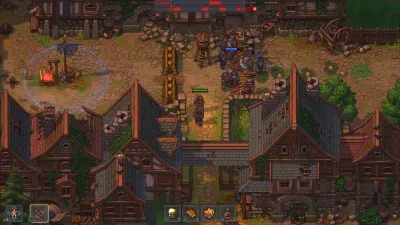
Graveyard Keeper 2 Combat Guide: Town Battles, Sewers, Barricades, and Squads
How fighting works in Graveyard Keeper 2: weekly street battles to liberate the Town, sewers open the rest of the week, plus barricades, towers, and zombie squads.
Was this helpful?
Thanks for the feedback!